When my wife and I were first married, we were introduced
to a remarkable man by the name of Larry Burkett through a video series on
managing your money. Among other things we learned to budget and to do something
incredibly radical: spend less than we make.
I didn't know at the time that Larry was an avid golfer. Best known for his
popular radio program "Money Matters," which is broadcast on more than 1100
stations, Larry wrote more than 70 books with more than 11 million copies in
print.
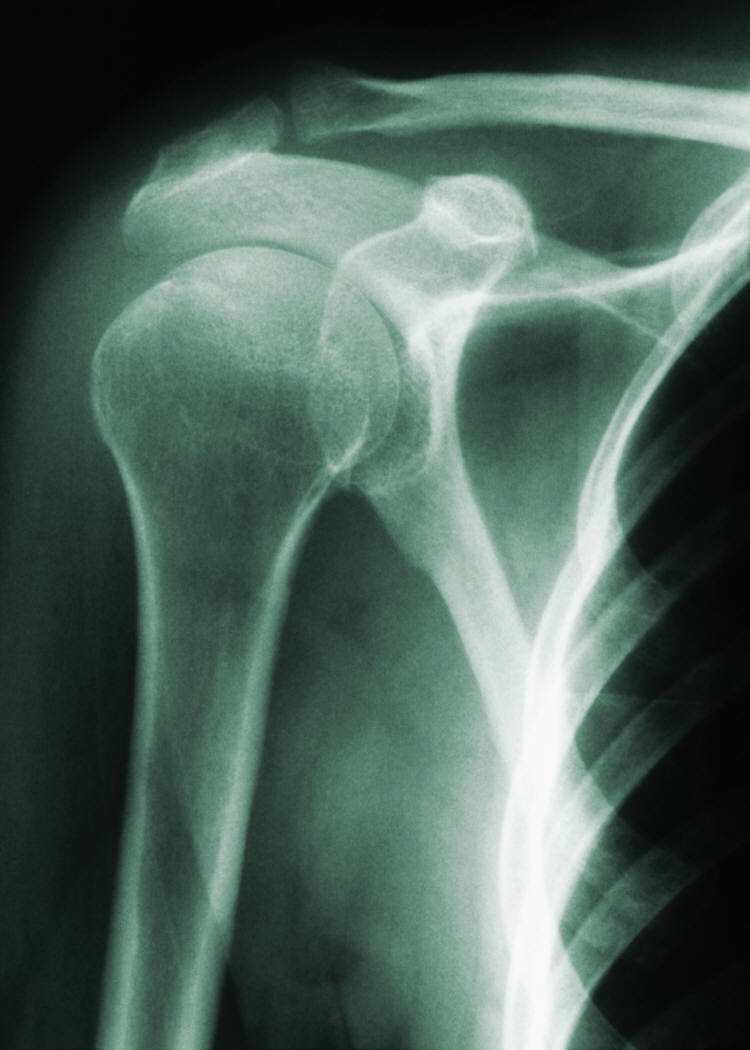
In March, 1995, Larry, his wife Judy, and their four children were stunned to
learn he had renal cell carcinoma (or kidney cancer) that had spread to his left
shoulder blade. The fact that his golfing days were over was the least of their
concerns. The cancer was deadly. Ninety-five percent of those with his type of
cancer die within two years, he was told. Burkett underwent two surgeries, one
to remove a kidney and a second to remove his shoulder blade. Though his cancer
was in remission, Larry lived with chronic pain.
Researching the disease on the Internet, he began to explore alternative
therapies, learning he could not access them until they met FDA approval. So he
fought and changed the law in Georgia and seven other states so that alternative
therapy can now be given if administered by a licensed physician. When he
learned of an immune therapy offered in Prague, he talked to ten others who took
it and lived longer than expected. After undergoing the treatment, he made
changes: He drank filtered and ozonated water. He ate white chicken meat, a
little fish, and very little red meat.
After writing a book called Making Life Rich Without Any Money, I was asked to
be on Larry's radio program. During a return visit, I was surprised to learn
that he wanted to golf with me.
And so one humid fall day we hit the links together. Larry had no left shoulder
blade, yet he made no excuses. His swing, though slightly awkward, was strong,
and his drives were straight. "It hurts a little," he admitted, "but I've been
building up the muscles around it."
I won't tell you our score that day, but after 18 holes we were tied. Rather
than a quick playoff, we sat in an Applebee's restaurant together as Larry told
me of his life. "God has been so good," he said several times.
"I was supposed to be gone five years ago," he smiled, scanning the chicken
section of the menu, "but He must have something left for me to do."
"Are you ever angry?" I asked rather bluntly.
"No," he said. "I don't blame God, if that's what you mean. There must be a
reason for all of this. People talk about dying gracefully. I'm focusing on
getting well."
"What helps you do that?"
"I pray a lot, I read a lot, and I praise God a lot," he said. "That has made
all the difference."
"Do you have any fears?" I asked.
"After my first cancer surgery; when they removed my right kidney, I awoke one
night knowing that in two weeks I'd be returning to the hospital for the removal
of my shoulder blade. I was full of fear. Suddenly I felt the presence of the
Lord in that hospital room, and I heard a voice-not audibly-but in my spirit,
saying, `Have no fear. This is for the glory of God. Just do what God called you
to do.' Fear is the opposite of faith," said Larry. "Faith is the belief in
something greater than we are.
"So is the fear gone?"
He looked me in the eye. "I have no fear of dying," he said, and repeated it, "I
have no fear of dying."
After Senator Harold Hughes came to Christ, someone asked him, `What is the
advantage of being a Christian?' Hughes replied, "This life is all of hell I
shall ever experience. The disadvantage of being an unbeliever is that this life
is all the heaven some people will ever know. I was saved when I was 32. My only
regret is that I didn't come to Him sooner."
"What will heaven be like?" I asked.
Larry smiled. "There will be no more cancer," he said. "No diabetes, heart
trouble, overweight, wrinkles, or gray hair."
"Why are you looking at me?" I asked.
I shall never forget his laugh.
On July 4, Larry declared independence from his body.
I was on my way to the post office when his cohost, Steve Moore, called and told
my wife that Larry was Home. Ironically, the cancer that had tested him for
eight years did not take him-it was heart failure. At the post office I picked
up a parcel, and back home I discovered that it was a personally inscribed copy
of Larry's latest devotional book, Great Is Thy Faithfulness. The book is a
treasured reminder of that round of golf with a humble servant of God. When I
reminded Steve of that golf game, he said, "I guess you were the last one to
golf with Larry."
Let me close with Larry's words:
"I've given some thought to what my epitaph should be, and I think I'd like my
tombstone to read, "Larry Burkett, a servant of the Most High God."
I just pray that at my death someone will be able to write that, legitimately.
I don't know if people use epitaphs anymore, but if you died suddenly and your
family wanted to write an epitaph for your gravestone, what do you think it
would be?
Remember, the greatest epitaph will be the one given by Christ. What will He be
able to write about you?
"Well done, good and faithful servant. .. enter into the joy of your master."
Matthew 25:21 RSV
Phil Callaway, Golfing with the Master. Eugene, Oregon: Harvest House Publishers, 2006, p. 185-189.
The Illustrator: This daily newsletter is dedicated to encouraging
everyone to look towards Jesus as the source of all the solutions to our
problems. It contains a daily inspirational story, a Bible verse and encouraging
messages. HTML and plain text versions available.
The Nugget: Published three times a week, this newsletter features inspirational devotionals and mini-sermons dedicated to drawing mankind closer to each other and to Christ.